
"STRETCH 4 STRIDE A BETTER MOVING HORSE IS A BETTER PERFORMING HORSE"
NEWMARKET EQUINE PHYSIOTHERAPY
Award-winning equine physiotherapy with hydrotherapy consultancy in Newmarket. We help Thoroughbreds and performance horses move pain-free, recover faster and perform at their best.
Why choose us?
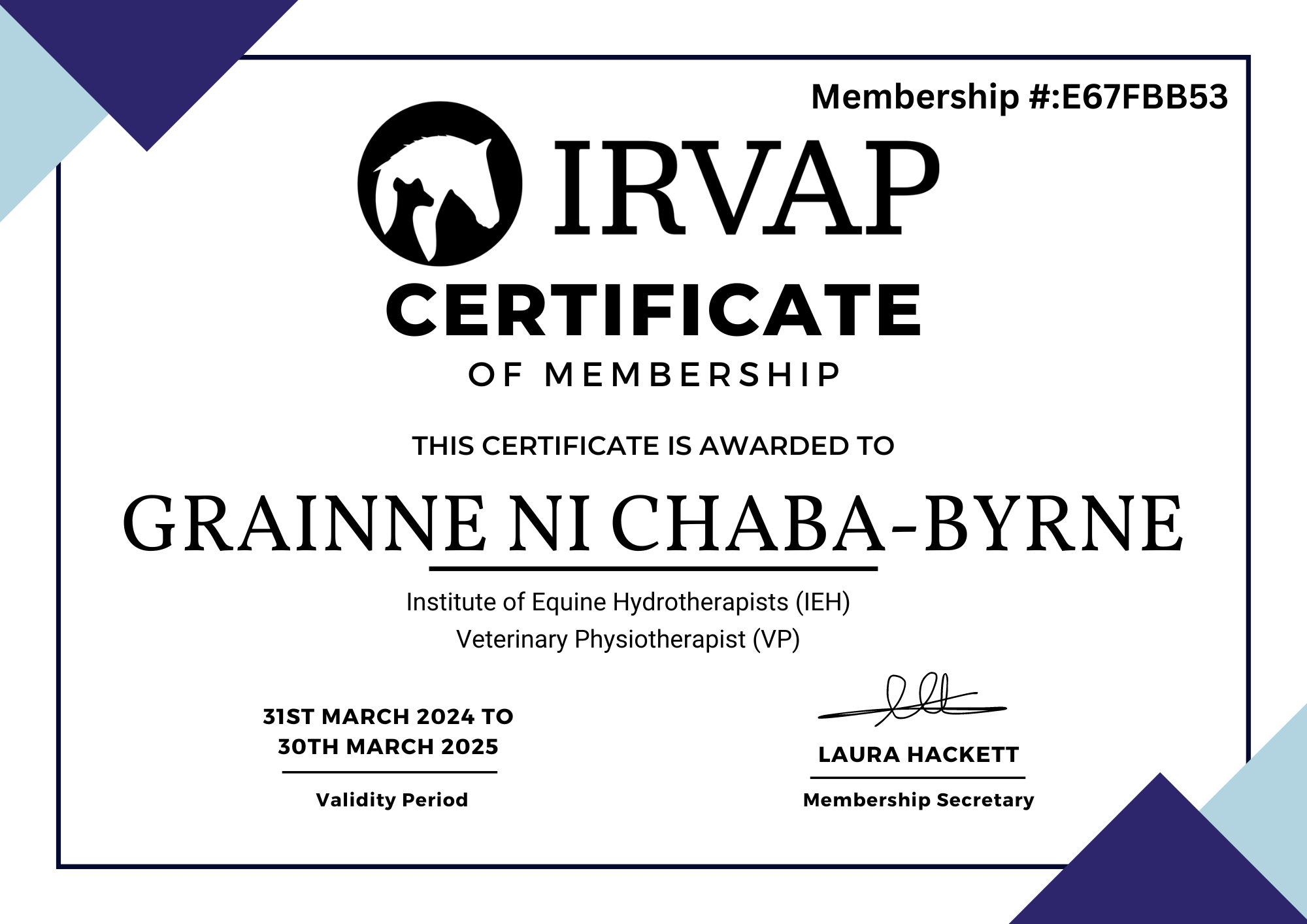
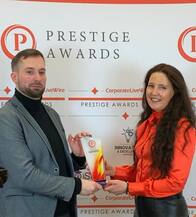
- Award recognition — Winners of Excellence in Musculoskeletal Therapy and Outstanding Achievement in Equine Hydrotherapy at the IRVAP Excellence Awards 2025.
- Elite experience — 25+ years working with racehorses and performance horses across rehabilitation, conditioning and competition.
- Multidisciplinary approach — Close collaboration with vets, trainers and owners to create targeted, evidence-based treatment plans.
What equine physiotherapy does
Equine physiotherapy treats and manages lameness, poor performance and injury to keep the equine athlete fit, comfortable and competition-ready. It combines hands-on techniques, targeted exercise and evidence-led modalities to reduce pain, restore movement and build durable strength.
When to call a physiotherapist
- New or intermittent lameness and asymmetry
- Decline in performance or loss of impulsion
- Chronic stiffness, muscle soreness or recurring tightness
- Wounds or soft‑tissue injuries (tendon, ligament) after veterinary stabilisation
- Post‑operative or post‑injury rehabilitation and staged return to work
- Pre‑season conditioning and maintenance programmes
What we use (practical tools and therapies)
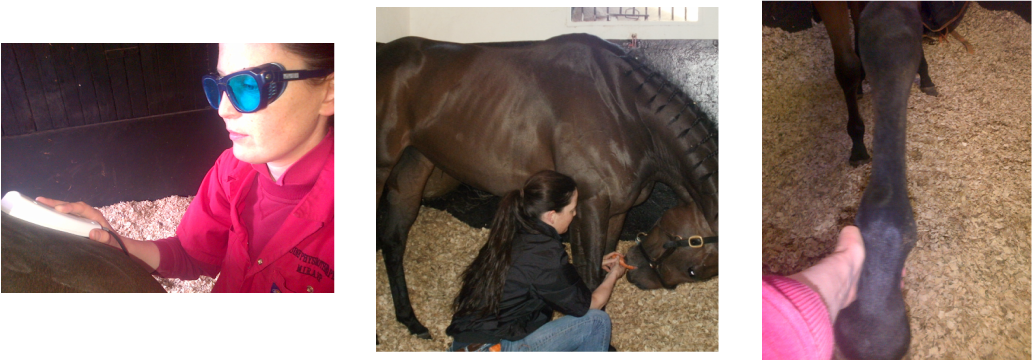
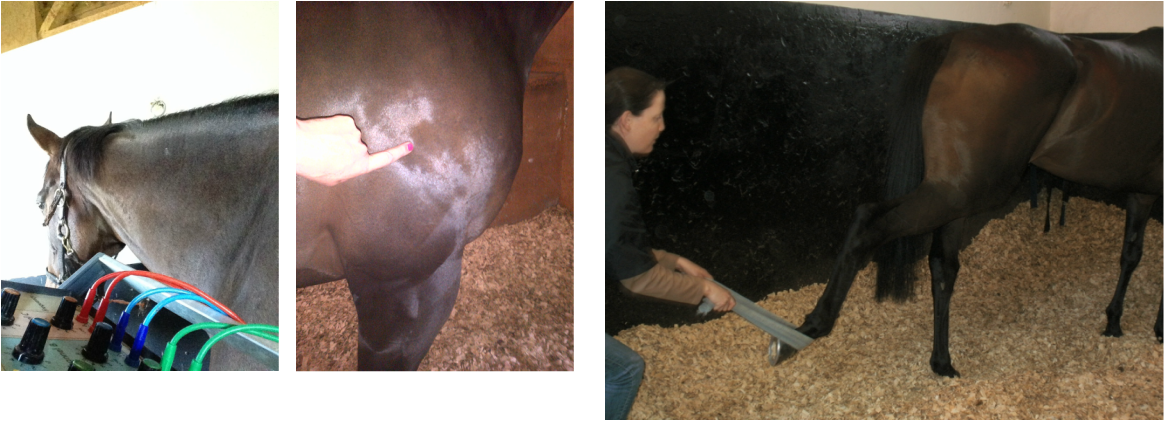
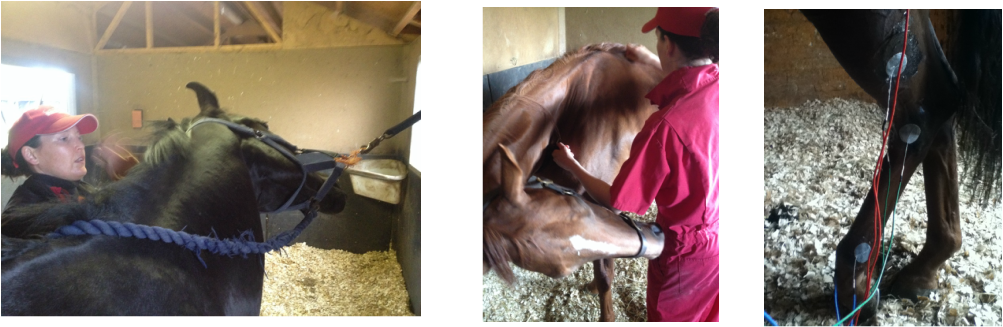
- Hands‑on techniques: massage, myofascial release, joint mobilisation, stretching, acupressure
- Conditioning and rehab: progressive loading, targeted strengthening, proprioceptive and balance work, rider/trainer exercises
- Hydrotherapy and low‑impact conditioning to build fitness without concussion
- Advanced modalities when indicated: K‑Laser Class 4, therapeutic ultrasound, electrotherapy, laserpuncture, pulsed electromagnetic field therapy, kinesio taping, equissage
- Close collaboration with the vet for diagnostics, imaging and medical management
Clinical focus and process
- Thorough functional assessment — gait analysis (ridden and/or in hand), palpation, ROM testing and a history of training, shoeing and veterinary findings.
- Vet‑aligned diagnosis — work with the referring vet to confirm underlying pathology and safe treatment windows.
- Individualised plan — staged goals, objective milestones and a realistic timetable for progression.
- Targeted treatment — prioritise simple, high‑value interventions first; add advanced modalities only if they improve outcomes.
- Measured progression — regular reassessment, written progress notes and trainer/owner education for home programmes.
Benefits for horse
- Faster, safer recovery and a clear roadmap back to work
- Improved gait symmetry, comfort and performance under saddle
- Reduced risk of re‑injury through conditioning and maintenance plans
- Clear, measurable milestones so owners and trainers can see progress
Core goals
- Reduce pain and inflammation
- Promote tissue healing and restore optimal movement patterns
- Restore range of motion and rebuild functional strength
- Prevent recurrence with conditioning, education and regular maintenance
- Award recognised for musculoskeletal and hydrotherapy excellence
- 25+ years’ specialist experience with Thoroughbreds and performance horses
- Vet‑aligned, pragmatic and outcome‑driven: treatments chosen for clear, measurable benefit
- Clear communication, written progress notes and owner/trainer education to prevent recurrence
Meet the clinician
Grainne Ní Chába-Byrne — L7 Adv Cert Clin Ed (Acc Mdx); CertAT; Dip. ESMT, Cert KTP-E, HND Equine Studies, Dip. Equine Psychology, MIRVAP(VP)(IEH);RAMP;FEI PET. Specialist in racehorse physiotherapy, rehabilitation and hydrotherapy for over 25 years, with a pragmatic, outcome-driven approach.
Flexible mobile appointments across Newmarket and surrounding areas. Contact us to arrange a visit or ask how we can support your horse’s recovery and performance.
Stretch 4 Stride - A Better Moving Horse is a Better Performing Horse
The equine physiotherapist must have an in depth knowledge of the physiology and biomechanics involved in locomotion. Prevention is better than cure; but in the event of injury, knowing the correct therapies available is a fundamental principle in rehabilitating the injured equine athlete. Equine musculoskeletal injuries are common in the performance horse regardless of discipline. For injuries a multidisciplinary approach is adopted for an injured equine athlete.
The main goals of the equine physiotherapist are pain reduction, aid healing, restoration of range of motion, restoration of strength and prevention of injury.